
Winter Custody Weekends: How to Keep Kids Active and Warm
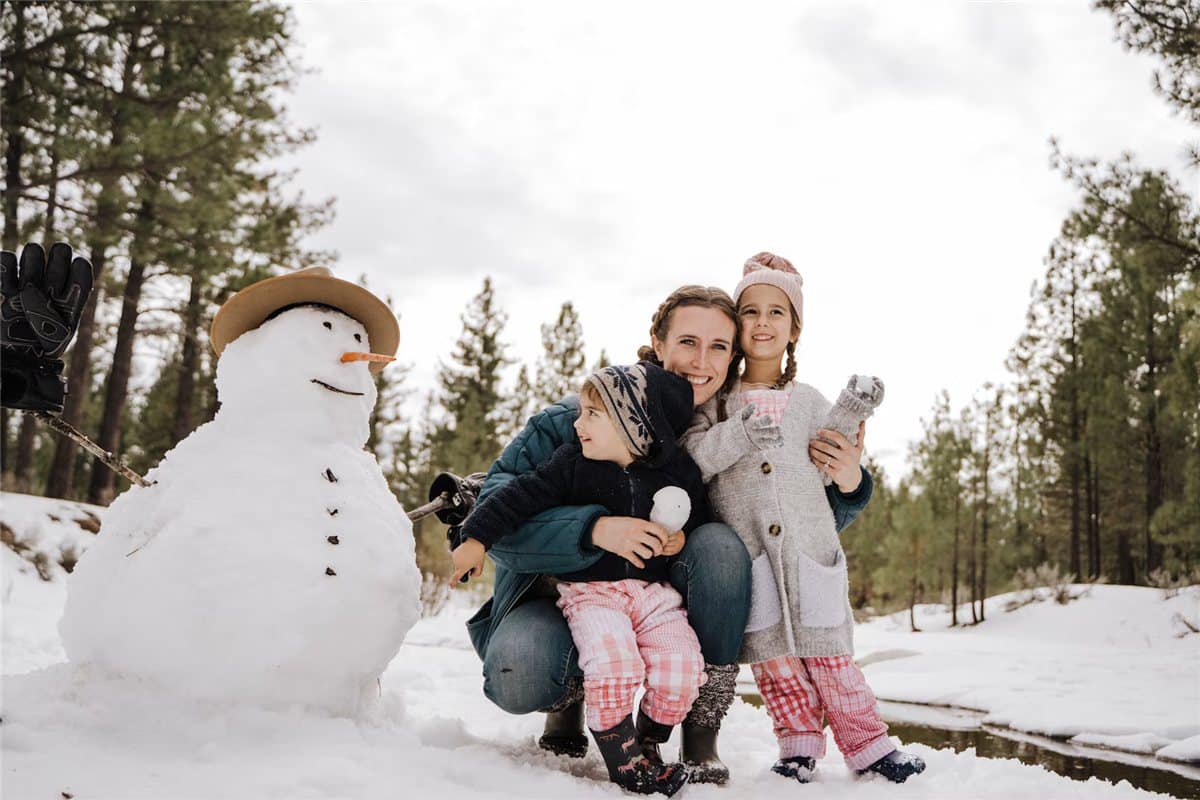
Cold weekends can make parenting time feel harder to plan, especially when daylight is limited and everyone would prefer to stay under a blanket. Still, children need movement, fresh air and meaningful time with you throughout the winter.
The key is to plan outings that fit the weather and your child’s age. A flexible schedule also helps when custody time is limited. You can enjoy an active afternoon, avoid miserable wet feet and return home before the cold takes over.
Plan Shorter High-Energy Activities
Choose activities that get children moving quickly and can end before anyone becomes exhausted or chilled. A 30-minute walk with a simple scavenger hunt may work better than an open-ended afternoon at a large park. Younger children might look for animal tracks, pine cones and three different leaf colors. Older kids can take photos, time a short route or help choose the next trail.
Movement generates body heat, but breaks and weather conditions still matter. The American Academy of Pediatrics offers practical winter play safety tips, including advice about taking indoor breaks and watching for signs that children are getting too cold.
Match the activity to the child in front of you. A preschooler may be happy kicking a ball for 20 minutes, while a teenager might prefer skating, a brisk neighborhood photo walk or an outdoor fitness circuit. Physical play in winter can support children’s mood and give them a useful outlet for pent-up energy.
Tell children the basic plan before leaving: what you’re doing, how long you expect to stay and where you’ll warm up afterward. That predictability can reduce complaints and make transitions easier, particularly when the weekend already involves moving between two homes.
Dress for Real Cold and Moisture
Check the temperature, wind and chance of precipitation before choosing clothes. A sunny reading of 35 degrees can feel much colder in a strong wind, while light snow can soak regular sneakers surprisingly fast. Pack for the conditions you’ll actually encounter, not how the weather looks through the window.
Use several light layers that are easy to remove. Start with a moisture-managing base layer, add an insulating middle layer and finish with a coat that blocks wind and moisture. A hat, gloves and neck covering protect areas that lose warmth or are exposed. Avoid loose scarves during climbing or fast-moving play because they can catch on equipment.
Feet deserve extra attention. Shoes or boots should be dry and roomy enough for children to move their toes. Families preparing for cold outdoor activities can consider thermal socks at HeatHolders as one option for keeping feet warm. Don’t squeeze thick socks into tight footwear since restricted circulation can leave feet feeling colder.
Pack one spare pair of socks and gloves in a zippered bag. They take up little room and can rescue an outing after a puddle, a snowbank or a dropped glove. These cold-weather safety basics also help parents recognize when shivering, numbness or unusually pale skin signals that it’s time to go inside.
Scout Heated Rest Stops in Advance
Every winter outing should have an easy indoor exit. Before leaving, identify a nearby library, community center, cafe or family entertainment venue where everyone can warm up and use a restroom. Check opening hours online because winter schedules and private events can affect access.
A good warm-up stop is close enough that you can reach it within about 10 minutes. If you’re visiting an unfamiliar park, save the indoor location and parking area in your phone. Screenshots are useful when mobile reception is unreliable. You may also want to note where public restrooms are located since some outdoor facilities close during colder months.
Indoor backup plans can become part of the outing instead of feeling like a disappointment. Bowling, an arcade visit or another active indoor option lets children keep moving when ice, heavy precipitation or severe wind changes the schedule. This guide to indoor winter activities offers ideas for shifting the day inside without losing its playful focus.
Set a clear threshold for changing plans. You might agree to head indoors after 30 minutes, when gloves become wet or when anyone begins shivering. Children often push to continue when they’re having fun, so the adult needs to make the final call. Ending while everyone still feels good creates a better memory than stretching the outing until a child becomes cold, hungry and irritable.

Image Credit: Unsplash
Keep Warm Snacks and Drinks Handy
Cold air and physical play can bring on hunger quickly. Pack simple foods your child already likes, especially if your outing falls near a regular meal or snack time. Crackers, cheese, fruit, a sandwich or an oat bar travel well and require little cleanup.
For longer outings, use an insulated food container for soup, oatmeal or pasta. Test the temperature before serving food to a younger child. A small cup and spoon can make sharing easier, while napkins and a sealable bag give you a place for crumbs and wrappers.
Warm drinks can make a rest break feel special. Fill an insulated bottle with warm water, milk or child-friendly hot chocolate and bring cups with secure lids. Keep the drink warm, not scalding and supervise children as they pour. Regular water still matters during winter because kids may not notice thirst as readily in cool weather.
Store snacks where you can reach them without unloading the entire car or backpack. If you’ll be outside for an hour, offer a drink before starting and check in halfway through. A child who suddenly becomes quiet or cranky may need food, warmth or both.
Custody schedules sometimes involve driving before or after an activity, so leave a backup snack in the car for the ride. Choose something that tolerates temperature changes and replace it regularly. Avoid leaving dairy products or other perishable foods in a parked vehicle, even when the day feels cold.
Create Traditions That Beat Cabin Fever
Children often remember repeated rituals more clearly than elaborate one-time plans. Pick one or two winter traditions that fit your custody schedule and budget. A Saturday morning park walk followed by warm cocoa can become something your child anticipates, even if the route changes each week.
Give the tradition a simple structure. You could take one nature photo during every outing, rate local playgrounds for winter play or choose a new library branch after each walk. At home, print favorite pictures and add them to a small seasonal album. This gives children a visible record of your weekends together without turning the activity into a major project.
Bad weather calls for an indoor version of the same tradition. Build a living room obstacle course with cushions, hold a dance session or set up a clue-based treasure hunt. For a calmer afternoon, make paper snowflakes, prepare a warm snack together or choose a family movie. Letting children select from two or three realistic options gives them some control while keeping the day manageable.
Keep expectations flexible when children arrive tired, overstimulated or reluctant to go out. A ten-minute walk around the block followed by a favorite board game still counts as shared time. Consistency matters more than scale.
Consider ending each winter weekend with a quick planning ritual. Write the next activity on a calendar, check that gloves still fit and place the outing bag near the door. When the next custody weekend arrives, you’ll already have a specific plan waiting, along with the dry socks and warm drink that help it go well.
Featured Image Credit: Unsplash

About the Author
Fred Campos is a father, custody advocate, and host of the Daddy Got Custody podcast. He shares practical parenting and child custody tips to help parents navigate family court with confidence.
Join Our Newsletter

What Evidence Actually Wins Child Custody Cases?
One of the biggest misconceptions fathers have is believing that simply being a good dad will be enough to win in family court. Unfortunately, that's not how the legal system works. Judges don't decide custody based on who tells the best story. They decide based on...

The 10 Biggest Mistakes Fathers Make During a Custody Battle
Every year, thousands of good fathers lose valuable parenting time—not because they don't love their children, but because they unknowingly make mistakes that hurt their custody case. I've spent more than 27 years helping fathers navigate child custody cases, and I've...

Can a Father Win Custody Without Hiring an Attorney?
Every Father Asks This QuestionOne of the first questions fathers ask me is:"Can I do this myself?"After helping fathers through custody cases for more than 27 years, my answer is always the same.Yes... but I hope you don't.Can a father represent himself in family...

Why Good Dads Lose Custody for Preventable Reasons | Daddy Got Custody
Why Good Dads Lose Custody for Preventable Reasons One of the hardest truths in family court is this:Some fathers lose custody not because they are bad dads, but because they make avoidable mistakes. They love their children.They care deeply.They want to do the right...

What Fathers Should Never Say in Court | Daddy Got Custody
What Fathers Should Never Say in Court If you are a father preparing for family court, one of the biggest mistakes you can make is assuming the judge only cares about your facts. Facts matter. Evidence matters. Documentation matters.But so do your words. In a custody...

What Do Wisconsin Child Support Lawyers Actually Do for Parents?
Child support cases can become stressful when you are dealing with divorce, court deadlines, financial pressure, and major changes inside your home. You may already know that a child support lawyer helps with payments and paperwork, but their role usually goes further...