
When Co-Parenting Breaks Down Before Trial
A co-parenting relationship can unravel quickly when a custody trial is approaching. Missed exchanges, hostile messages, and sudden schedule changes may create stress for both parents, but children often feel the greatest disruption. Your response during this period can affect daily family life and the evidence later presented in court.
Stay focused on stability, document significant events, and get legal guidance based on your circumstances. These practical steps can help you protect your child’s needs while keeping the conflict from escalating.
Prioritize Child Routine Amid Tension
Maintain the child’s existing school, meal, bedtime, and activity schedules as closely as possible. Predictability gives children a sense of security when communication between parents has become strained. The same principle appears in established co-parenting guidance, which emphasizes keeping parental conflict separate from the child’s relationship with each parent.
Share essential information about school events, medical appointments, and transportation in writing. If a handoff becomes tense, use a public location or another arrangement permitted under your current agreement. Never ask your child to deliver messages. A brief email about a schedule change is clearer and places less emotional pressure on them.
Avoid Retaliatory Behavior at All Costs
One parent’s unreasonable conduct doesn’t give the other parent permission to respond in kind. Canceling parenting time, withholding school records, or posting accusations online can damage your credibility. Courts generally care about conduct that affects the child, including each parent’s willingness to support a stable relationship with the other parent.
Keep messages short, factual, and child-focused. For example, write, “Pickup is scheduled for 5 p.m. at the library,” instead of revisiting an argument from the previous week. Save relevant messages and maintain a dated parenting log, but don’t secretly record conversations without first checking the law in your state. Recording rules vary, and violations may create new legal problems.
Secure Temporary Custody Orders Quickly
Ask about a temporary custody order when informal arrangements have stopped working, or one parent threatens to keep the child indefinitely. Temporary orders may address parenting time, transportation, decision-making, and other immediate concerns while the case remains pending.
Bring your current orders, proposed schedule, message records, and a short timeline when preparing for the next legal step. Organized records can make urgent issues easier to identify without mixing them with unrelated marital disputes.
Partner with Dedicated Custody Attorneys
Legal support becomes especially valuable when the other parent ignores an existing order, blocks contact, or makes serious allegations. Custody attorneys can explain which events matter legally, what evidence the court may consider, and how to request relief without inflaming the dispute.
Prepare specific questions before each meeting. Ask how judges in your jurisdiction assess proposed schedules, how quickly temporary requests are heard, and what conduct you should avoid while waiting. Be candid about your own mistakes too. Surprises make it harder for counsel to prepare. If cost is a concern, ask about limited-scope representation, payment arrangements, or local legal aid resources instead of attempting an urgent filing without guidance.
Establish Clear Boundaries Moving Forward
Use one written communication channel for parenting matters and reserve it for information about the child. Set reasonable response expectations, such as acknowledging routine messages within 24 hours, while allowing faster contact for a genuine medical or safety issue. Avoid late-night arguments and don’t respond immediately when a message makes you angry.
A detailed parenting plan can reduce future disputes by covering exchange locations, holidays, school breaks, travel notice, and access to records. It can also explain how parents will handle schedule changes. When trial is approaching, follow every valid order carefully and keep the child out of legal discussions. Your next message should read like something a calm, responsible parent would be comfortable having a judge review.
Featured Image Credit: Unsplash

About the Author
Fred Campos is a father, custody advocate, and host of the Daddy Got Custody podcast. He shares practical parenting and child custody tips to help parents navigate family court with confidence.
Join Our Newsletter

Why Does Child Custody in Texas Matter When One Parent Wants to Relocate?
When one parent wants to relocate, the issue often reaches far beyond a change of address. A move can affect school schedules, weekday parenting time, travel costs, communication patterns, and the child's sense of routine. What looked manageable when both parents...
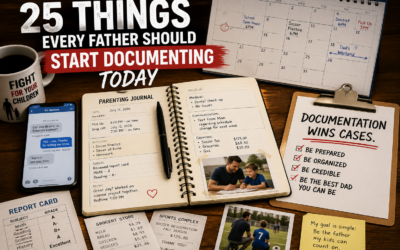
25 Things Every Father Should Start Documenting Today
The Best Memory Doesn't Win in Court One of the biggest mistakes fathers make is assuming they'll remember everything when it's time to testify. You won't. Custody cases often take months—or even years—to resolve. By then, the details blur together. Dates get...

What Judges Look for When Deciding Child Custody
It's Not About Who Loves Their Child More One of the biggest misconceptions fathers have is believing custody cases are won by proving who loves their child the most. The truth is… Almost every parent who walks into family court loves their child. Judges already...

How to Choose the Right Family Law Attorney for Your Custody Case
Not All Family Law Attorneys Are the Same One of the biggest mistakes I see fathers make is assuming that every family law attorney has the same experience, skills, and approach. They don't. After spending more than 27 years helping fathers through custody disputes,...

How Judges Decide Child Custody: What Every Father Should Know
Every year, thousands of good fathers lose valuable parenting time—not because they don't love their children, but because they unknowingly make mistakes that hurt their custody case. I've spent more than 27 years helping fathers navigate child custody cases, and I've...

27 Years of Custody Cases: 10 Lessons Every Father Should Know
More than twenty-seven years ago, I began helping fathers who were scared, overwhelmed, and unsure of what to do next. Since then, I've spoken with thousands of dads. Some walked away with equal parenting time. Some earned primary custody. Others lost valuable time...