

Menstruation while breastfeeding is different for every mom—it may return in months or take over a year. This article explains why it can be delayed, when it usually comes back, how it may affect milk supply, and the difference between spotting and a full period. We’ll also dive deeper into hormonal changes, safe birth control, and when to see a doctor.
Plus, simple tips like using the best bottle washer and sterilizer can help you save time and focus on caring for yourself and your baby as your body adjusts. Keep reading!
Why Your Period Might Be Delayed While Breastfeeding
The more often when you breastfeed, your body releases a higher level with the hormone prolactin. This hormone is responsible for milk production however it can also delay your ovulation. But your period won’t begin without ovulation.
Hence, that is the reason why menstruation while breastfeeding often may take months — or sometimes more than a year — to return.
In most of the cases, this is perfectly fine and your body is only trying to work on food supply for your baby. Because every mom is different, there isn’t a definitive “correct” timeline for menstruation while breastfeeding.
When Menstruation Typically Returns for Breastfeeding Moms
The timing of menstruation during breastfeeding can vary greatly from mom to mom. It depends on how much you nurse, if you use formula too, and how your body fixes itself after the baby comes. Some moms see their period soon, but for others, it might take a long time. Here are some usual times based on how you feed your baby:
- Only breastfeeding: Often waits 6–12 months or more.
- Mix of breastfeeding and formula: About 3–6 months.
- Less breastfeeding or no night feeds: May see a return in a few months.
- Big breaks between nursing: Might make periods start sooner.
- Baby sleeps all night: Period could return sooner.
Can You Still Get Pregnant Before Your Period Comes Back?
Yes, you can. Even if menstruation while breastfeeding hasn’t started yet, your body may let go of an egg before you see your first period. This lets you get pregnant without knowing that you can.
Breastfeeding can cut down the chance of having a baby, more so in the first half-year if you feed your child a lot and only nurse. Yet, it’s not fully safe. Using formula, long waits between feeds, or shifts in body hormones can bring back your period and egg release early. If you’re not ready for another child, you must discuss it with your doctor about the possible safe ways to stop pregnancy while nursing.
How Your Cycle Might Affect Milk Supply (and Baby’s Behavior)
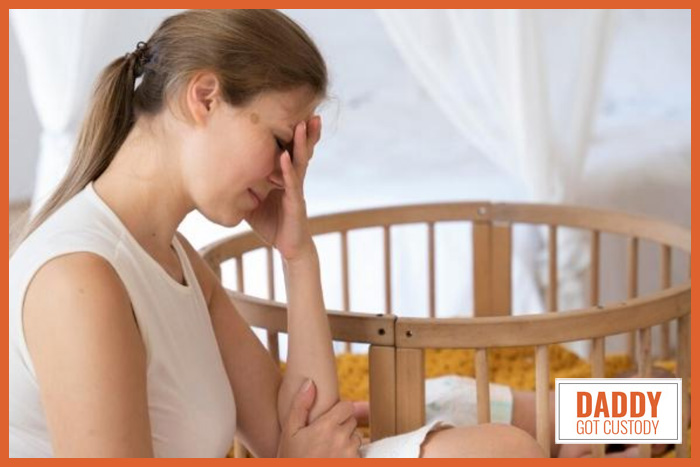
When you get your menstruation while breastfeeding, you might see a small drop in milk for a few days. This happens since your body’s hormones change which can lower how much milk you make.
During those situations, your baby may want to eat more, seem a bit upset, or not look as happy during this time. This is usual, and things often get back to usual when your period stops. Eat well, drink a lot of water, and rest to help keep your milk good and to get more power.
Using simple tools like a best bottle washer and sterilizer can save time and make tasks easier. This way, you have more time to feed, calm, and play with your baby.
Spotting vs. Full Period: What Counts as a Return?
Spotting is a small bit of blood that may last one or two days. It can be pink, red, or brown. It is also way lighter than a normal period. Spotting doesn’t always mean menstruation while breastfeeding has fully returned—it might be from changes in your hormones, egg release, or even stress.
When your full period comes, it shows your monthly cycle is starting again, but it might not stick to time right away. Once you have a full period, it means your cycle is back on, but it could be uneven at first for a bit.
Hormonal Shifts: Mood, Cramps, and Energy Changes
When menstruation while breastfeeding returns,, your hormones shift once more. This can make you feel touchy, sad, or quick to anger.
You may also feel cramps that are more or less strong than before. You might be more tired a few days before and while on your period. These shifts are ok as your body adapts while still making milk.
Eating right, drinking water, sleeping well, and light exercise can boost your energy and make you happy. Yet, if you often face mood swings, feel strong pain, or get super tired easily, to the point that it can ruin your daily life, there’s nothing wrong if you talk with your doctor for some tips.
Tips for Choosing Birth Control While Breastfeeding
Even if menstruation while breastfeeding hasn’t returned yet, you can still get pregnant. This is why it’s important to choose and apply a safe method to prevent pregnancy. Because it is not just for you but for your baby as well.
Safe choices include condoms, a copper IUD, or just progestin types like the mini-pill, hormonal IUDs, or some shots. Birth control with both estrogen and progestin may cut down milk for some, so it’s often best to wait until your baby feeding is going strong.
Tips for Picking Birth Control While Feeding Your Baby
- Talk to your doctor before you start any type.
- If you don’t want hormones, try non-hormonal types like condoms or a copper IUD.
- If you like hormone-based methods, go for just progestin ways first.
- Observe for any changes on how much milk you make after you start birth control.
- Keep in mind that feeding your baby is not a certain way to stop pregnancy.
When to Talk to a Doctor About Irregular or Painful Periods
Some changes in your cycle are normal with menstruation while breastfeeding, yet some signs indicate that you should see a doctor.
Discussing it with a doctor can find out what is the reason behind and get the help you need.
- Lots of heavy bleeding or big clots coming out
- Bad cramps that stay even with rest or meds
- Periods that keep being way off for a long time
- Bleeding a little for many weeks
- Sudden drop in milk supply
- Being very tired or mood swings that ruins the everyday life
Conclusion
Every mom’s experience with menstruation while breastfeeding is always one of a kind. Your period might come back sooner or much later, and your cycle may look different than before. These changes, from milk flow to cramps, are how your body tones itself.
By learning what’s normal, watching for signs that may need a doctor’s check, and using perfect tools like the best bottle washer and sterilizer of Momcozy, you can take care of yourself and enjoy more fun moments with your little one.
What would you add?