
Navigating Financial Futures Post-Divorce for Families

Divorce isn’t just an emotional separation; it’s a financial one too. Untangling years of shared finances can feel overwhelming, but creating a clear financial path forward is one of the most empowering steps you can take for yourself and your family. The process involves listing what you own, understanding your obligations, and building a new plan for the future. While the financial impact of divorce can be significant, approaching it with knowledge and strategy makes all the difference.
Prioritizing Children’s Financial Stability
For parents, the children’s well-being is often the main concern. Ensuring their financial stability should be a top priority in any divorce settlement. For families adjusting to new living arrangements, understanding how to navigate co-parenting challenges can also help create greater stability for children. This goes beyond just child support payments, which cover basic needs like food, housing, and clothing.
You also need to think about other essential costs:
- Health and Dental Insurance: Who will cover the children on their policy? How will out-of-pocket expenses be split?
- Education: If you have a 529 plan or other college savings, the divorce agreement should specify how future contributions will be handled, especially when dealing with high-net-worth divorce attorneys.
- Extracurricular Activities: Costs for sports, music lessons, and other activities should be discussed and planned for.
Putting these details in writing creates clarity and prevents future disagreements, allowing both parents to focus on supporting their children emotionally.
Understanding Marital Assets and Debts
Before you can divide anything, you need a complete picture of your marital estate. This means making a comprehensive list of all assets and debts acquired during the marriage. Marital assets typically include property and income earned by either spouse while married. Separate property is anything owned before the marriage or received as a personal gift or inheritance.
Common assets to list include your home, vehicles, bank accounts, retirement funds (like 401(k)s and IRAs), and investments. Don’t forget the debts: mortgages, car loans, student loans, and credit card balances are all part of the financial equation and must be assigned during the divorce.
Complex Asset Division Considerations
Dividing assets isn’t always a straightforward 50/50 split, especially in marriages with more complex financial portfolios. Certain assets need special attention and professional valuation to ensure a fair division. For example, if one spouse owns a business, determining its true value is a critical step. The same applies to stock options, restricted stock units (RSUs), and pensions, which may have vesting schedules or complex tax implications. In these situations, financial experts or specialized legal counsel are often necessary.
Planning for Spousal Maintenance
Spousal maintenance, sometimes called alimony, is a payment from one spouse to the other after a divorce. Its purpose is to provide financial support to the lower-earning spouse, helping them maintain a standard of living similar to what they had during the marriage while they work toward becoming self-sufficient.
Whether spousal maintenance is awarded depends on many factors, including the length of the marriage, each spouse’s income and earning potential, age and health, and the contributions one spouse made as a homemaker. Maintenance can be temporary or long-term, and it’s important to understand how these payments will be treated for tax purposes. Factoring this potential income or expense into your new budget is essential for accurate financial planning.
Long-Term Financial Planning
Once the divorce is finalized, your focus shifts to building your new financial life. This is your opportunity to take control and set new goals. The first step is creating a realistic post-divorce budget based on your new single income and expenses. You’ll also need to update beneficiaries on your life insurance policies and retirement accounts, as your ex-spouse is often listed by default.
This is also a critical time to establish your own credit history if you haven’t already. It’s wise to review a guide on common financial mistakes to avoid during this transition to help you stay on the right track. From adjusting your investment strategy to creating a new will, long-term planning provides security for your future.
Moving forward financially after a divorce involves taking small, deliberate steps. Addressing each piece of the puzzle helps you build a secure and stable future for you and your children.
Featured Image: Unsplash

About the Author
Fred Campos is a father, custody advocate, and host of the Daddy Got Custody podcast. He shares practical parenting and child custody tips to help parents navigate family court with confidence.
Join Our Newsletter

Why Does Child Custody in Texas Matter When One Parent Wants to Relocate?
When one parent wants to relocate, the issue often reaches far beyond a change of address. A move can affect school schedules, weekday parenting time, travel costs, communication patterns, and the child's sense of routine. What looked manageable when both parents...
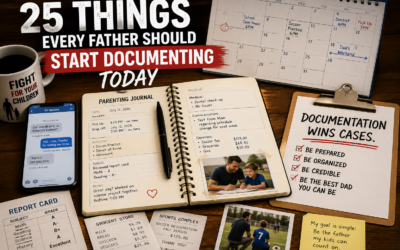
25 Things Every Father Should Start Documenting Today
The Best Memory Doesn't Win in Court One of the biggest mistakes fathers make is assuming they'll remember everything when it's time to testify. You won't. Custody cases often take months—or even years—to resolve. By then, the details blur together. Dates get...

What Judges Look for When Deciding Child Custody
It's Not About Who Loves Their Child More One of the biggest misconceptions fathers have is believing custody cases are won by proving who loves their child the most. The truth is… Almost every parent who walks into family court loves their child. Judges already...

How to Choose the Right Family Law Attorney for Your Custody Case
Not All Family Law Attorneys Are the Same One of the biggest mistakes I see fathers make is assuming that every family law attorney has the same experience, skills, and approach. They don't. After spending more than 27 years helping fathers through custody disputes,...

How Judges Decide Child Custody: What Every Father Should Know
Every year, thousands of good fathers lose valuable parenting time—not because they don't love their children, but because they unknowingly make mistakes that hurt their custody case. I've spent more than 27 years helping fathers navigate child custody cases, and I've...

27 Years of Custody Cases: 10 Lessons Every Father Should Know
More than twenty-seven years ago, I began helping fathers who were scared, overwhelmed, and unsure of what to do next. Since then, I've spoken with thousands of dads. Some walked away with equal parenting time. Some earned primary custody. Others lost valuable time...