
Common Mistakes Fathers Make in Custody Cases

Navigating a child custody case is one of the most challenging experiences a father can face. The legal standards and procedures that govern this process can feel foreign and unforgiving. While your focus is rightly on your children, it’s easy to make missteps that can unintentionally harm your case. Understanding the most common mistakes fathers make is the first step toward building a stronger, more effective strategy for securing your parental rights and your children’s future.
Ignoring Legal Counsel Early
Many believe they can handle the initial stages themselves, especially if things seem amicable. However, the early phase of a separation sets the precedent for the entire case. Decisions made in the first few weeks regarding living arrangements, communication, and finances can establish a “status quo” that courts are hesitant to change later.
A legal professional can help you navigate the complexities of a custody case, advise you on what to document, and guide you on how to communicate effectively. Waiting until a conflict arises means you’re already playing defense. Early counsel allows you to be proactive, prepared, and positioned for a better outcome.
Poor Communication Habits
In a custody dispute, every text, email, and social media post can become evidence. A common mistake is letting frustration and anger show in your communications with your co-parent. Sarcastic comments, accusations, or emotionally charged language can be presented in court to paint you as uncooperative, hostile, or unstable. This behavior can damage your credibility and negatively influence a judge’s perception of your fitness as a parent. Instead, strive for communication that is brief, informative, and child-focused.
- Bad: “Why are you late again? You have no respect for my time.”
- Good: “Just confirming pickup was for 6 PM. It’s now 6:20. Please let me know your ETA for the kids’ sake.”
The impact of co-parenting communication on legal outcomes is well-documented, showing that courts favor parents who can work together constructively.
Not Documenting Evidence
“He said, she said” arguments rarely hold up in court. Judges rely on evidence, and failing to document everything is a critical error. You need a detailed, consistent record of your involvement in your children’s lives. This documentation provides concrete proof of your commitment and can counter any false allegations made against you. Track everything relevant to your parenting, including:
- Dates and times you have the children.
- Every expense you pay for them, from school supplies to doctor’s visits. Keep receipts.
- Any instances where the other parent is late for exchanges or misses scheduled time.
- Important conversations and agreements, noting the date, time, and what was said.
This log becomes an invaluable tool for your attorney and a powerful piece of evidence to support your case.
Focusing on Emotion, Not Law
It’s natural to feel hurt, angry, or betrayed during a custody battle. However, letting these emotions drive your legal strategy is a mistake. Family court is not a place for punishing your ex-partner or airing personal grievances. The court’s primary, and often sole, consideration is the best interest of the child.
Every action you take and every argument you make should be framed around this principle. Understanding how judges decide child custody can help you focus your case on the factors that actually matter. Instead of focusing on what your co-parent did wrong, focus on what you do right as a father. Show your stability, your active involvement in your children’s education and healthcare, and your ability to provide a safe and nurturing environment. A case built on emotion is weak; a case built on the child’s well-being is strong.
Seeking Professional Legal Support
Avoiding these common pitfalls often comes down to having the right guide. The legal system is complex, and the stakes are incredibly high. Trying to manage a custody case without professional legal support is like trying to perform surgery on yourself. You lack the objectivity, the procedural knowledge, and the strategic experience to do it effectively.
A qualified family custody attorney acts as your advocate, strategist, and shield. They help you translate your love for your children into a compelling legal argument. They filter your emotional responses into legally sound actions, ensure your evidence is properly collected and presented, and handle communications to protect you from missteps. Investing in professional support is crucial for your future relationship with your children.
Featured image from Pexels

About the Author
Fred Campos is a father, custody advocate, and host of the Daddy Got Custody podcast. He shares practical parenting and child custody tips to help parents navigate family court with confidence.
Join Our Newsletter

Why Does Child Custody in Texas Matter When One Parent Wants to Relocate?
When one parent wants to relocate, the issue often reaches far beyond a change of address. A move can affect school schedules, weekday parenting time, travel costs, communication patterns, and the child's sense of routine. What looked manageable when both parents...
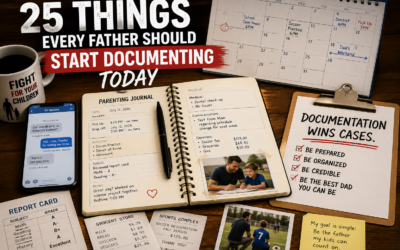
25 Things Every Father Should Start Documenting Today
The Best Memory Doesn't Win in Court One of the biggest mistakes fathers make is assuming they'll remember everything when it's time to testify. You won't. Custody cases often take months—or even years—to resolve. By then, the details blur together. Dates get...

What Judges Look for When Deciding Child Custody
It's Not About Who Loves Their Child More One of the biggest misconceptions fathers have is believing custody cases are won by proving who loves their child the most. The truth is… Almost every parent who walks into family court loves their child. Judges already...

How to Choose the Right Family Law Attorney for Your Custody Case
Not All Family Law Attorneys Are the Same One of the biggest mistakes I see fathers make is assuming that every family law attorney has the same experience, skills, and approach. They don't. After spending more than 27 years helping fathers through custody disputes,...

How Judges Decide Child Custody: What Every Father Should Know
Every year, thousands of good fathers lose valuable parenting time—not because they don't love their children, but because they unknowingly make mistakes that hurt their custody case. I've spent more than 27 years helping fathers navigate child custody cases, and I've...

27 Years of Custody Cases: 10 Lessons Every Father Should Know
More than twenty-seven years ago, I began helping fathers who were scared, overwhelmed, and unsure of what to do next. Since then, I've spoken with thousands of dads. Some walked away with equal parenting time. Some earned primary custody. Others lost valuable time...